
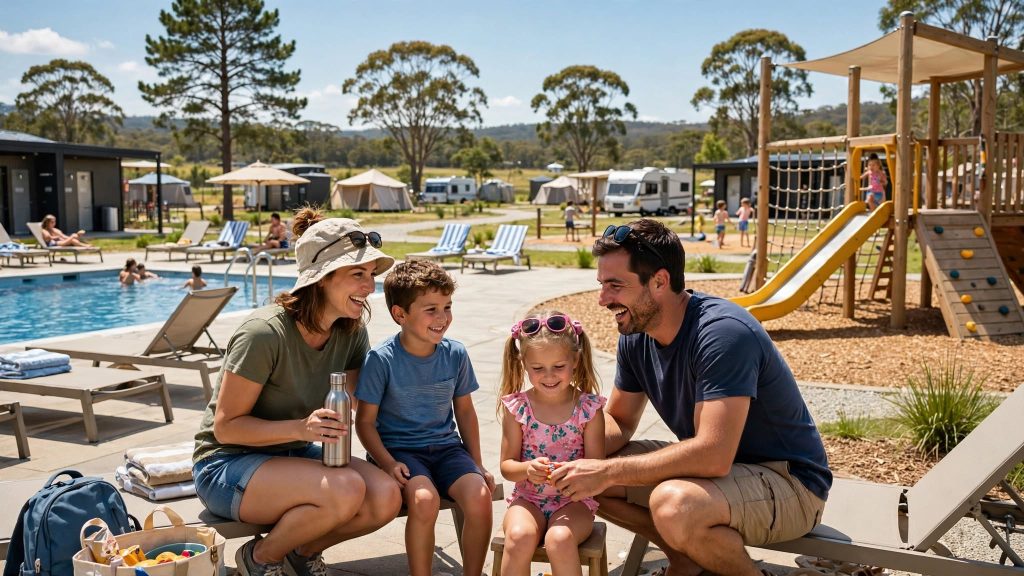
A campsite can offer much more than a patch of ground for your tent or a parking space for a caravan. Depending on the site, you may have access to cooking areas, showers, laundry rooms, recreation spaces, waste disposal points, electrical hookups, water stations, and other shared amenities. Knowing how to use these campsite facilities effectively can make your holiday easier and more comfortable.
The key is to understand what is available before you arrive and then plan around those facilities rather than packing for every possible situation. A little preparation can save space, reduce unnecessary equipment, and help everyone settle into campsite life more easily.
Check the Campsite Facilities Before You Pack
Start by reviewing the facilities provided at your chosen campsite. Amenities vary considerably between locations. Some sites have fully equipped communal kitchens and modern shower blocks, while others provide only toilets, drinking water, and basic washing areas.
Knowing what is available helps you decide what actually needs to go in your luggage. For example, if there are reliable laundry facilities, you may be able to pack fewer clothes. If a shared kitchen provides sinks and food preparation areas, your outdoor cooking setup might be simpler.
This approach is particularly useful when How to Plan a Budget-Friendly Family Camping Holiday is part of your preparation. Using facilities already included with your campsite can reduce the need to buy or bring equipment that you may only use occasionally.
Use Shared Cooking Areas Efficiently
A communal cooking area can make preparing meals much easier, especially during a longer camping holiday. Before relying on it completely, however, check what equipment is actually supplied.
Some campsite kitchens provide cooking surfaces, sinks, worktops, refrigerators, or microwaves, but utensils and cookware may not be included. Bring the essentials you know you will need rather than assuming everything will be available.
Keep Your Cooking Setup Organised
Store ingredients and cooking equipment together in containers that are easy to carry between your pitch and the kitchen. This avoids repeated trips back and forth and keeps shared spaces less cluttered.
Clean work surfaces after use, wash your dishes promptly, and remove food scraps. Shared campsite facilities work much better when each guest leaves them ready for the next person.
Plan Shower and Bathroom Visits Wisely
Washrooms and shower blocks are among the most frequently used campsite amenities. They can become particularly busy in the morning and evening when many campers follow similar routines.
If your schedule is flexible, showering outside the busiest periods can make the experience more relaxed. Keep toiletries, a towel, clean clothes, and suitable footwear together in a waterproof or easy-to-carry bag.
For families, preparing everyone’s bathroom items in advance can prevent forgotten towels, toothbrushes, or clothing from turning a quick shower into several trips across the campsite.
Make Good Use of Laundry Facilities
Laundry facilities can be especially useful during extended stays or family camping trips. Instead of packing enough clothes for every day of the holiday, you can wash and reuse suitable items.
Before using the machines, check whether you need coins, tokens, detergent, or another form of payment. Campsite rules may also explain operating hours or how long you should leave clothes in machines.
Avoid starting laundry if you will be away from the campsite for several hours. Removing clothes promptly keeps machines available for other campers and reduces congestion in a shared laundry room.
Understand Electricity and Water Points
Electric hookups can be convenient for caravans, motorhomes, and suitably equipped tent pitches, but they should be used correctly. Only use camping equipment and cables designed for the type of electrical connection provided at the site.
Water points also deserve some attention. Identify which taps provide drinking water because not every water source around a campsite is necessarily intended for consumption. Use refillable containers and avoid occupying communal taps longer than necessary.
Knowing where electricity, drinking water, waste disposal, and washing points are located can save considerable walking over the course of your stay.
Take Advantage of Recreation Areas
Campsite facilities are not limited to practical necessities. Many sites have playgrounds, open spaces, sports areas, picnic tables, walking routes, or indoor recreation rooms.
These areas can add variety to a family holiday without requiring you to leave the campsite every day. Children might spend part of the afternoon at a playground while adults prepare dinner nearby, or the family can use an open area for simple games before settling down for the evening.
Check any posted opening hours, age restrictions, supervision requirements, and equipment rules before using recreational facilities.
Follow Waste and Recycling Arrangements
Managing rubbish properly is an important part of campsite life. Find the designated general waste, recycling, and wastewater points soon after arriving rather than waiting until bins begin piling up at your pitch.
Keep separate bags or containers for different types of waste if the campsite requires sorting. For caravans and motorhomes, use only the designated disposal areas for wastewater or toilet waste.
Following the site’s system keeps your pitch cleaner and prevents shared facilities from becoming unpleasant for other guests.
Respect Shared Spaces and Campsite Rules
Good campsite etiquette is mostly about remembering that facilities are shared. Avoid leaving personal belongings in bathrooms, kitchens, laundry rooms, or recreation areas longer than necessary.
Pay attention to quiet hours, parking arrangements, pet rules, cooking restrictions, and facility opening times. Campsites may have specific rules based on their layout, location, or available services.
If something is unclear, ask campsite staff rather than guessing. This is particularly important for electrical connections, waste disposal, fires, barbecues, and other activities that may have site-specific restrictions.
Build Your Day Around What the Campsite Offers
You do not need to schedule every hour of a camping holiday, but knowing when and how you will use key facilities can make daily routines smoother.
You might shower before the evening rush, prepare lunch in a communal kitchen, do laundry while relaxing near your pitch, and use recreation areas during quieter parts of the day. Small choices like these can reduce waiting and leave more time for enjoying the surroundings.
Conclusion
Making the most of campsite facilities begins before you arrive. Check what the site provides, pack accordingly, and learn where essential amenities are located once you check in.
Use shared kitchens, showers, laundry rooms, water points, recreation areas, and waste facilities thoughtfully. By combining simple planning with consideration for other campers, you can make your campsite stay more convenient, organised, and enjoyable without bringing unnecessary equipment.